


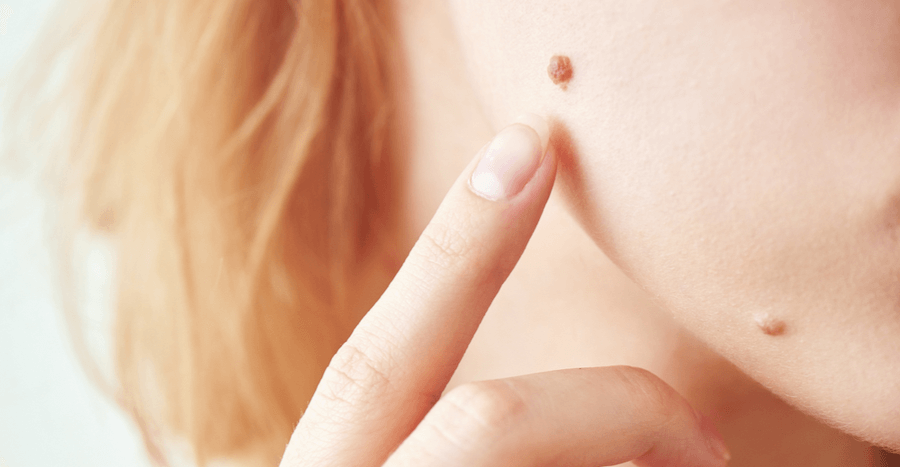
When it comes to our skin, understanding the importance of maintaining its health is crucial. Knowing the options available for mole and skin lesion removal in Dallas, TX, is essential. This guide will explore the various procedures, benefits, and considerations surrounding skin lesion and mole removal, helping you make informed decisions about your skin health.
What are Moles and Skin Lesions?
Moles
Moles are common skin growths that can appear anywhere on the body. They can be flat or raised and vary in color from brown to black. While most moles are harmless, changes in their appearance can indicate potential health issues, making regular checkups essential.
Skin Lesions
Skin lesions encompass a wider range of skin abnormalities, including growths like cysts, warts, and keratosis. Though many lesions are benign, some may require removal for cosmetic reasons or if they are suspected to be cancerous.
Procedures for Mole and Skin Lesion Removal
Excision
One common procedure is excision, which involves cutting out the mole or lesion along with a small margin of surrounding skin. This method is typically performed under local anesthesia and is particularly effective for larger moles, allowing for thorough examination by a pathologist.
Shave Removal
Another option is shave removal, where the mole or lesion is shaved off the skin’s surface. This less invasive technique often requires no stitches, making it ideal for patients seeking a quick recovery and minimal scarring, especially for small, raised moles.
Cryotherapy
Cryotherapy involves freezing the mole or lesion with liquid nitrogen. This procedure is particularly effective for certain benign skin lesions and moles.
Laser Removal
Lastly, laser removal employs a laser to target and remove the mole or lesion precisely. This minimally invasive method is perfect for delicate areas and ensures minimal skin damage and scarring.
What to Expect During a Removal Procedure
When you schedule an appointment for skin lesion or mole removal, here’s what you can generally expect:
- Consultation: Your dermatologist will assess the mole or lesion and discuss the best removal options.
- Procedure: Depending on the method chosen, the procedure may take anywhere from a few minutes to half an hour.
- Aftercare: Post-procedure care is vital for recovery, and your dermatologist will provide specific instructions on how to care for the treated area.